A football table, unlimited holidays and free Friday drinks won’t compensate for a poor salary. What really matters when experienced IT professionals consider changing jobs?
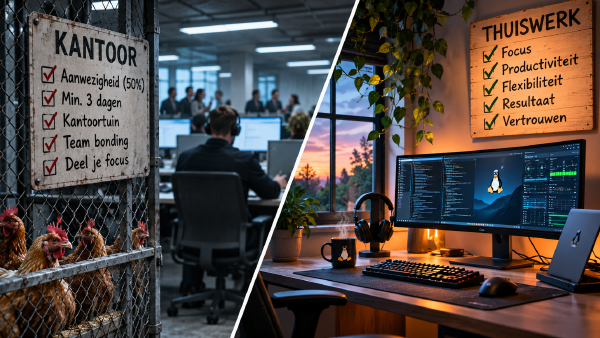
After years of working remotely, corporate harmonisation is bringing mandatory office attendance back. But sitting in an office has never been a measure of productivity.
Two critical PHP vulnerabilities exposed the gap between security reporting and operational reality. The systems stayed online, with tighter access controls.
Put two Linux people in a room and one word is enough. Put a manager in that same room and suddenly you need an interpreter. The interruption is not the problem. The context switch is.
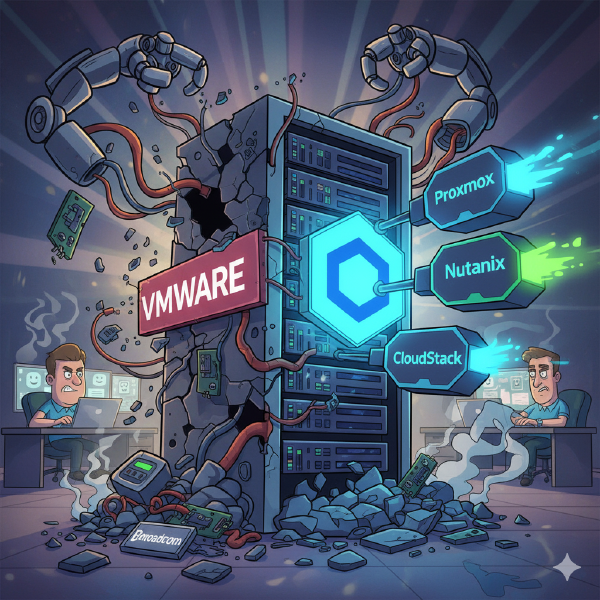
We haven’t just outsourced our hardware; we’ve outsourced our technical problem-solving capability. The ultimate sovereignty question: when the system fails, who is allowed to fix it?
Return-to-office mandates are a systemic failure. Treating human infrastructure with the same flawed logic as bad server maintenance is why IT is burning out.
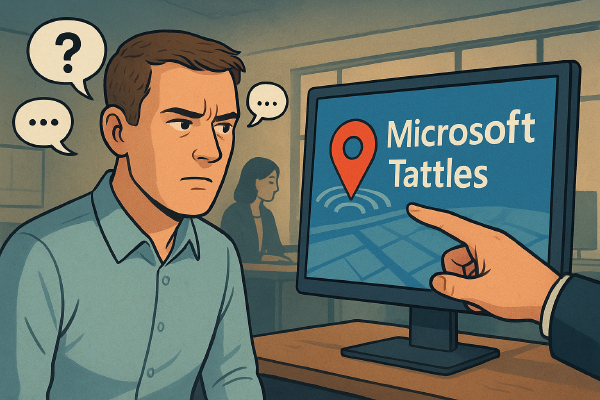
A phishing simulation showed that even when people know what to do, there is often no correct decision to make. Organisations respond by managing reactions instead of fixing the conditions that caused the problem.
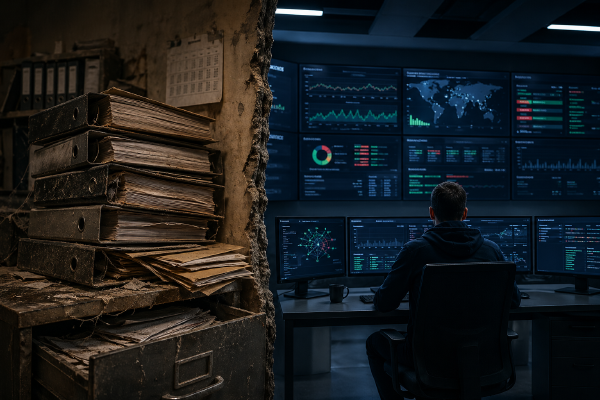
When one person consistently carries operational recovery, troubleshooting and undocumented infrastructure knowledge, organisations mistake dependency for stability.