Outlook, Teams, SharePoint and Viva Engage may look like separate services, but they share one provider. When that provider fails, how does your organization communicate?
Replacing servers instead of patching them sounds attractive, but immutable infrastructure doesn’t eliminate patch management. It moves the responsibility elsewhere.
GTA 6 might not be a cybersecurity threat, but collective distraction, sleep deprivation and rushed decisions could expose weaknesses in how we operate critical infrastructure.
From running Eggdrop IRC bots on SUSE Linux 6.2 to watching SUSE cut 10% of its workforce in the name of AI. Is this technological progress, or just another corporate restructuring?
A football table, unlimited holidays and free Friday drinks won’t compensate for a poor salary. What really matters when experienced IT professionals consider changing jobs?
After years of working remotely, corporate harmonisation is bringing mandatory office attendance back. But sitting in an office has never been a measure of productivity.
Two critical PHP vulnerabilities exposed the gap between security reporting and operational reality. The systems stayed online, with tighter access controls.
The NetScaler zero-days raise a question that reaches beyond Citrix: when a national CSIRT warns some organisations before others, who decides who is worth protecting first?
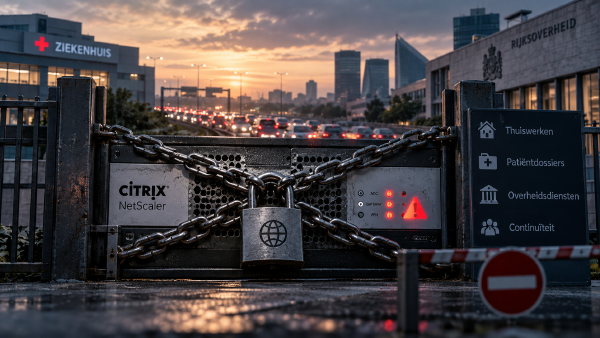
Two NetScaler zero-days have Dutch hospitals and government taking their remote access offline, six years after the first Citrix-file. The patch is the easy part. The real question is why one appliance can hurt this much.
Put two Linux people in a room and one word is enough. Put a manager in that same room and suddenly you need an interpreter. The interruption is not the problem. The context switch is.
A response to the NCSC Community piece on ‘open source, unless’, and why one line about transparency needing a watcher deserves more scrutiny than it got.
We haven’t just outsourced our hardware; we’ve outsourced our technical problem-solving capability. The ultimate sovereignty question: when the system fails, who is allowed to fix it?
Return-to-office mandates are a systemic failure. Treating human infrastructure with the same flawed logic as bad server maintenance is why IT is burning out.
The Odido breach did not end when the systems were patched. It continued wherever abandoned domains, forgotten mailflows, and expired infrastructure were still trusted.
A phishing simulation showed that even when people know what to do, there is often no correct decision to make. Organisations respond by managing reactions instead of fixing the conditions that caused the problem.
When one person consistently carries operational recovery, troubleshooting and undocumented infrastructure knowledge, organisations mistake dependency for stability.
From a 9600 bps modem in Lelystad to the server rooms of XS4ALL and Leaseweb, I watched technical authority get replaced by compliance theater and PowerPoint circles. The operator didn’t retire. He got managed out.
The European Commission ran its infrastructure on AWS while writing sovereignty frameworks for everyone else. Now 350GB is gone. This was not a surprise.
A decade of Dutch digital sovereignty surrendered through procurement. From the failed Rijkscloud to the CLOUD Act, and now a state secretary who confirms it in writing and presses on anyway.
Mobile authenticator vulnerabilities expose a fundamental truth. Securing the endpoint OS while leaving the phone untouched is security theater. Here is what actually works.